Wild camping in Slovenia is generally prohibited without the permission of the landowner or the land manager. Bivouacking, meaning a short and necessary overnight stay without a tent, is tolerated in certain circumstances, but local ordinances in 2026 are raising fines and tightening enforcement. If you are not sure whether your location is permitted, the fastest and safest route is to book a registered campsite, a motorhome stopover or a mountain hut.
In short:
- Wild camping in Slovenia requires the permission of the landowner or land manager, while bivouacking is sometimes tolerated in specific circumstances.
- The fine for unauthorised overnight stays ranges between 100 and 500 euros, and a uniform fine of 500 euros has been proposed for the Julian Alps.
- Legal overnight options include registered campsites, motorhome stopovers, mountain huts or renting a campervan, with booking strongly recommended in high season.
- Bivouacking is more acceptable on high ridges or outside the main tourist season, whereas it is almost always prohibited in national parks and on private land without permission.
- Renting a campervan from Campervan.si lets you stay legally at registered locations across Slovenia, with all the necessary safety and insurance arrangements included.
Campervan
Travel through Slovenia without a worry
Renting a campervan in Ljubljana makes it easier to plan your trip around Slovenia and to spend your nights at registered locations.
Check available dates
Table of contents
Wild camping in Slovenia: what the law says in 2026
Slovenian legislation places wild camping within a clear framework. Three pieces of legislation matter most: the Public Order Act, which in its updated form allows municipalities to sanction unauthorised overnight stays more strictly; the Forests Act, which prohibits pitching tents and lighting fires without the manager’s permission; and the Nature Conservation Act, which introduces additional restrictions in protected areas.
The difference between the national and the municipal level is important. National laws set the general framework, while municipal ordinances determine the specific amounts of fines and the way enforcement is carried out in their own area. This means the rules can differ between Bohinj, Kranjska Gora and Bovec, even though these are neighbouring municipalities.
Enforcement is carried out by:
- Municipal wardens, who issue fines on the basis of local ordinances.
- Nature park managers, for example the Triglav National Park authority, where a stricter regime applies than elsewhere.
- Forestry and environmental inspectorates, in cases of damage to forest or protected areas.
The biggest development of 2026 comes from the Julian Alps, where the mayors of several municipalities have proposed a uniform fine of €500 for unauthorised overnight stays in the open.
The decision is based on the new public order act, which allows municipalities to introduce sanctions of that size. Before you set off, check the ordinance of the specific municipality, as the amounts and exemptions differ from one to the next.
Bivouac or wild camping: where is the line?
In practice, enforcement officers distinguish between two situations that look similar but have very different consequences.
A bivouac means a short, necessary overnight stay without a tent, often in a bivy bag or under a tarp, while wild camping means pitching a tent and staying in one place for longer.
This distinction often decides whether you get away with a warning or end up with a fine. A bivouac is more often tolerated on high ridges, outside the main tourist season and away from inhabited valleys. Wild camping with a tent, on the other hand, is prohibited almost everywhere, particularly in Triglav National Park, in nature reserves and on private land without the owner’s permission.
The signs that increase the likelihood of a fine are fairly predictable:
- A fire ring or traces of burning on the ground.
- Rubbish left behind at the overnight spot.
- Blocking paths, access roads or parking spaces.
- Noise that disturbs other visitors or local residents.
Expert tip: If you do decide to bivouac, set yourself the rule of “one spot, one night”. Arrive late, leave early and do not leave behind so much as the mark of a tent peg.
Where you can legally spend the night with a camper or tent
Instead of taking a risk, there are four clear and proven routes to a legal overnight stay.
- Registered campsites. The areas around Bohinj and the Julian Alps offer campsites with full infrastructure, from sanitary facilities to electrical hook-ups.
- Motorhome stopovers (PZA). These are designed specifically for campervans and motorhomes, and are often free or carry only a minimal daily charge.
- Mountain huts and official bivouacs. You can book a bed through the Alpine Association of Slovenia (PZS), and a membership card often brings a better rate.
- An arrangement with a private landowner. Many owners will allow a short overnight stay if you ask and obtain written consent.
In high season, when busy areas are full, booking is all but essential. Park managers publish rules on where and how to obtain permission for camping in nature parks, so check the rules of the specific park before you leave. For a longer trip across several regions, it is worth looking up
motorhome stopovers across Slovenia in advance, so you know where you can legally sleep each night.
How to act responsibly and avoid harming nature
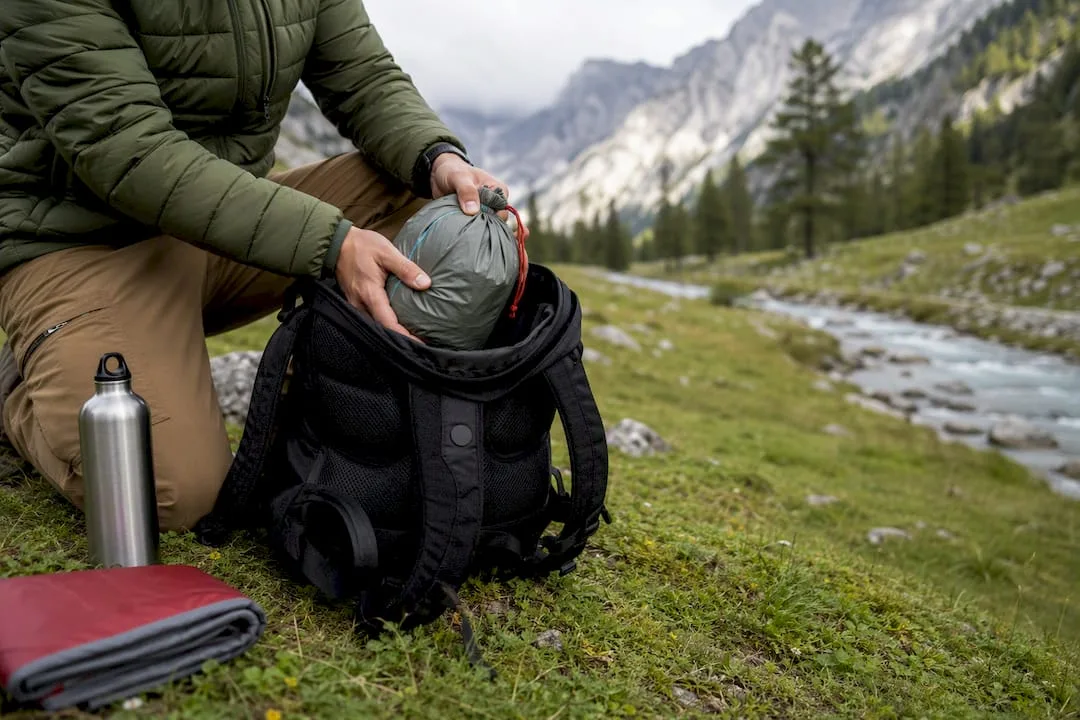
Leave No Trace principles fit Slovenian conditions perfectly, where water sources, forests and alpine meadows come under pressure quickly. Always carry your waste out with you, including organic waste, as it decomposes more slowly in a mountain climate than in the lowlands. Keep at least 50 metres away from streams and lakes, and avoid open fires entirely in dry and forested areas.
Before you set off, check the weather forecast on
ARSO, as conditions in the mountains change within hours, not days. In the southern parts of Slovenia, such as the Kočevje region, store food in sealed containers because of the bears, which are far from rare there.
Practical equipment for staying outdoors responsibly:
- Waste bags for human waste, when no sanitary facilities are available.
- A chemical toilet, if you are travelling by campervan or motorhome.
- A portable stove instead of an open fire.
- Sealed, leak-proof food containers.
Expert tip: Choosing the right spot for the night often matters more than your equipment. Avoid torrent beds and overhanging rocks, which can become dangerous within minutes after a storm.
These rules are not merely a formality.
A practical guide to camping in nature points out that small differences in behaviour, such as choosing a spot away from the trail and keeping quiet after the evening hours, are exactly what determines whether local residents welcome you or send you on your way.
What fines and enforcement to expect
Fines for unauthorised overnight stays in the open in Slovenia range from roughly €100 to €500, depending on the municipality and the seriousness of the breach. The new uniform fine of €500 in the Julian Alps is intended primarily as a deterrent rather than a punishment, as municipalities want to protect the quality of tourism and public order.
Not every breach results in an immediate fine. A warden or park manager will often issue a warning first, particularly for a one-off, necessary overnight stay without equipment. If a tent, a fire ring or rubbish is involved, however, the likelihood of an on-the-spot fine is considerably higher.
If you are stopped:
- Stay polite and cooperate; an argument will not improve the situation.
- Photograph the location before you leave it, in case you want to appeal.
- Check whether payment within a deadline is possible, which under some ordinances halves the amount.
- Ask for a written explanation of the fine, if one is issued.
What Campervan.si knows about travelling legally in Slovenia
Campervan, based in Ljubljana, has spent years advising travellers on how to put together a trip around Slovenia without risking fines and without putting pressure on nature. Experience with renters leads to a simple conclusion: anyone travelling by campervan has far more legal options than anyone camping with a tent.
A few resources worth knowing before you travel:
Renting a campervan removes most of the dilemmas, since you sleep in the vehicle at registered stopovers or campsites rather than in risky spots out in nature. That means less pressure on sensitive alpine areas and less worry about an unexpected visit from a warden.
Rok’s advice on the balance between experience and responsibility
Wild camping sounds romantic until you think about what it leaves behind in heavily used places such as Triglav National Park or the shores of alpine lakes. Respecting local rules is not an obstacle to a genuine experience of nature, it is the condition for one. If you are in doubt about whether a spot is allowed, choose a registered campsite or rent a campervan. That way the experience stays memorable, with no guilty conscience and no fine.
— Rok
A safe night without risk: campervan rental in Ljubljana
Instead of guessing where a bivouac is still allowed, Campervan offers a solution you can book today: a campervan that lets you sleep legally at any registered campsite or motorhome stopover across Slovenia, the Alps or the Balkans.
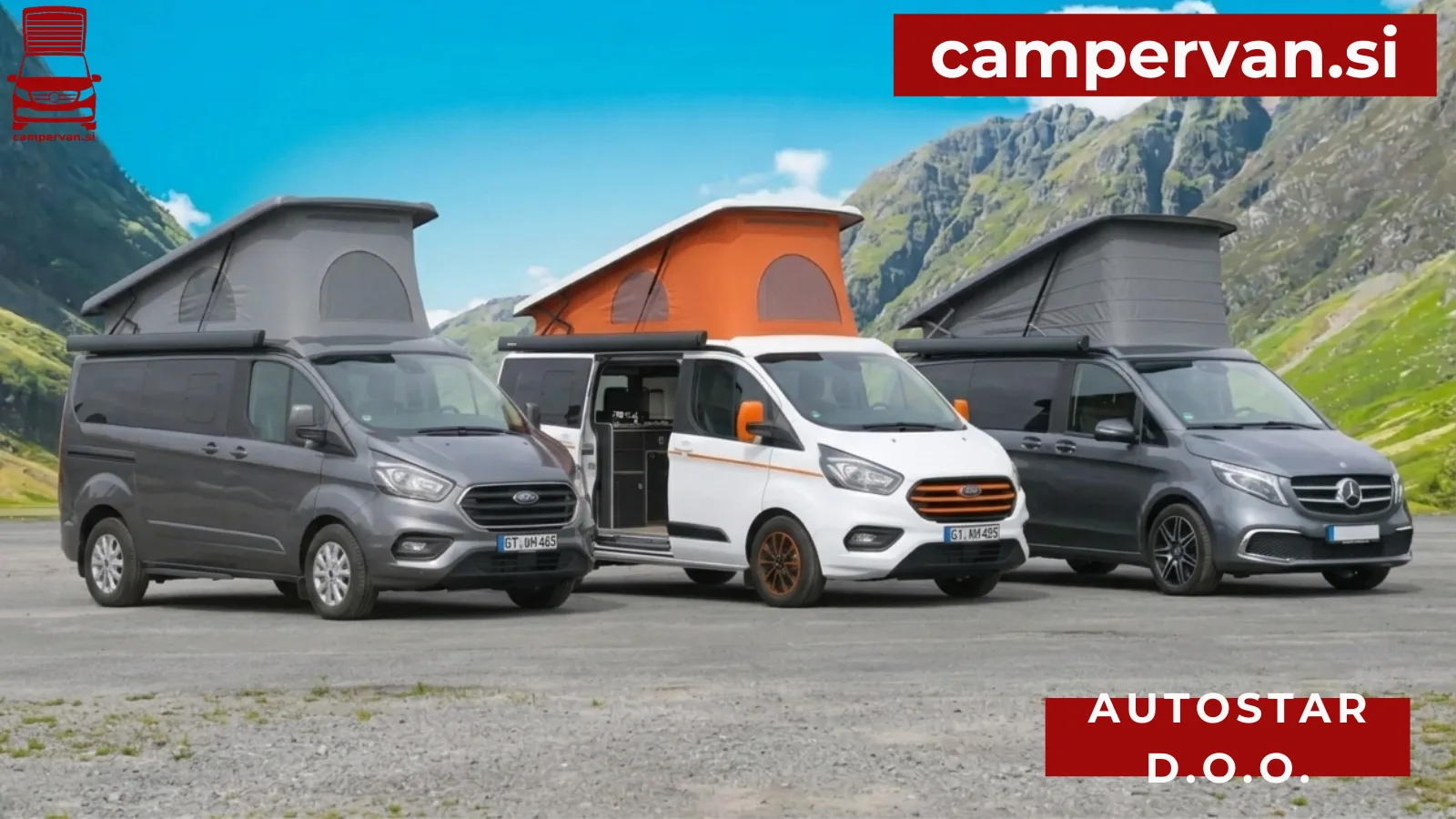
Two models are available, the
Mercedes V Marco Polo and the
Ford Nugget Plus, both with their own kitchen, a fixed toilet and berths for several people. The rental includes basic insurance and 24-hour assistance, so you are not on your own even on remote roads in the Julian Alps or the Balkans. Daily rental for both models starts at €125 per night and weekly rental at €110 per night, with final cleaning charged separately at €80. Before you set off, take a look at how
safe motorhome handover works, in just 20 to 45 minutes. For longer trips through neighbouring countries, you can also arrange connectivity on the road with an
eSIM package for Slovenia. Check available dates and book your campervan at
Campervan.
Sources
The claim about the €500 fine in the Julian Alps is based on reporting by Dnevnik. The distinction between a bivouac and wild camping is explained by Svet Hribov. Practical advice on spending the night in nature is provided by Potnik.si.
Frequently asked questions
Is wild camping in Slovenia legal?
No, wild camping in Slovenia is prohibited without the permission of the owner or manager, while short-term bivouacking is tolerated in some cases.
How much is the fine for wild camping in 2026?
Fines range from roughly €100 to €500, and municipalities in the Julian Alps have proposed a uniform fine of €500 for unauthorised overnight stays.
Where is bivouacking most tolerated?
Bivouacking is more often acceptable on high ridges and outside the main tourist season, whereas it is almost always prohibited in Triglav National Park and on private land without permission.
How do I avoid a fine and still sleep legally?
Book a registered campsite, a motorhome stopover or a mountain hut, or rent a campervan such as the Mercedes V Marco Polo, which lets you spend the night at any registered location across Slovenia.
How much does a campervan rental from Campervan.si cost?
For current daily and weekly rental prices and cleaning costs, visit the Campervan.si website.
CCampervan
Have a question about renting?
Write to us for information about campervan rental and planning a trip around Slovenia starting from Ljubljana.
Recommended