20% off rentals until the end of March 2027 with code SNOW20•20% off rentals until the end of March 2027 with code SNOW20•20% off rentals until the end of March 2027 with code SNOW20•20% off rentals until the end of March 2027 with code SNOW20•
20% off rentals until the end of March 2027 with code SNOW20•20% off rentals until the end of March 2027 with code SNOW20•20% off rentals until the end of March 2027 with code SNOW20•20% off rentals until the end of March 2027 with code SNOW20•
Exploring Slovenia by Campervan: A Circular Tour and 3 Routes (3–7 Days Each)
October 22, 2026
“`html
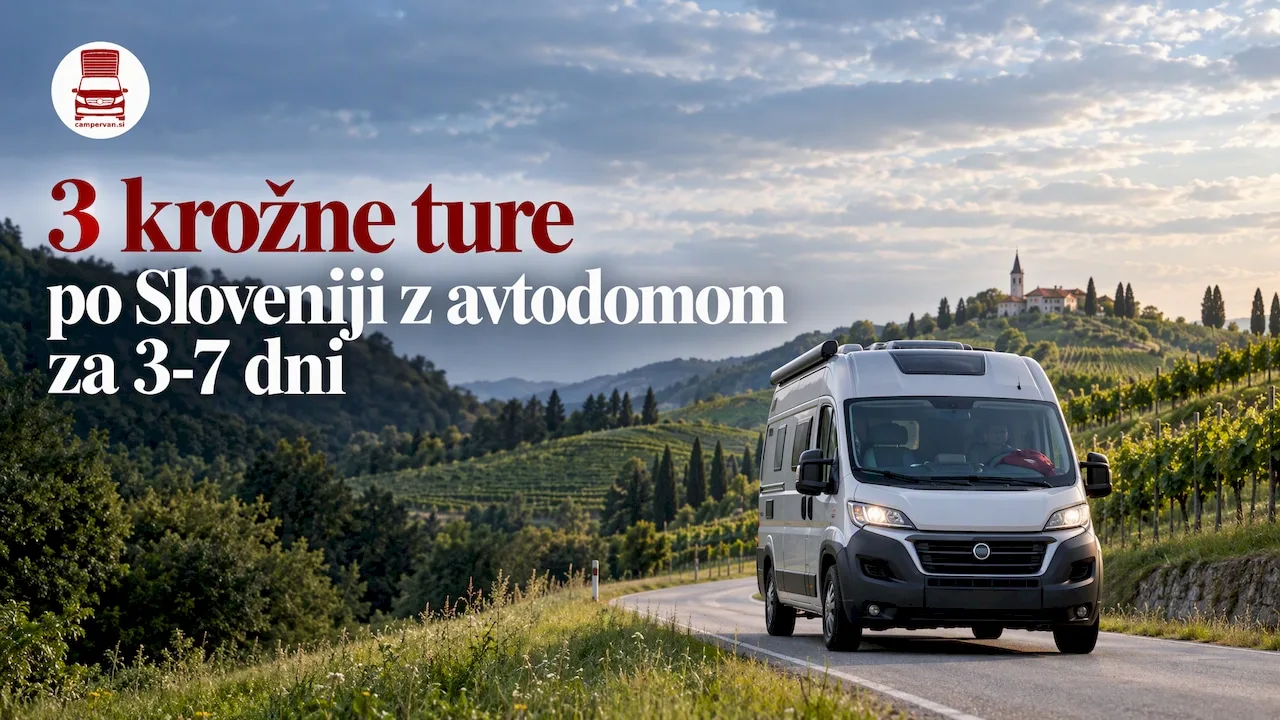
For a multi-day campervan road trip around Slovenia, we recommend one of three regional routes: the Julian Alps (Bled and Bohinj), the coast and the Karst region, or Inner Carniola and Rogla. Each route takes several days, depending on your driving pace and the number of stops. For all three, it is worth staying overnight at designated motorhome stopovers and booking in advance during the summer season.
At a glance:
The Alpine route takes 4–6 days and covers Bled, Bohinj and Kranjska Gora. Vehicles over three metres tall should avoid certain forest roads near Vršič Pass.
Parking for larger vehicles is limited in Koper and Piran, so check outlying car parks in advance and walk or use local transport to reach the town centres.
Wild camping is generally prohibited or restricted. Choose an organised stopover and check the available facilities and whether multi-day stays are permitted before booking.
Book campsites or stopovers in advance for July and August, especially near lakes and along the coast. September brings fewer crowds and still offers pleasant temperatures.
Renting either vehicle costs from €125 per night, or €110 per night for a weekly rental. Final cleaning adds €80 per booking.
Campervan
campervan.si
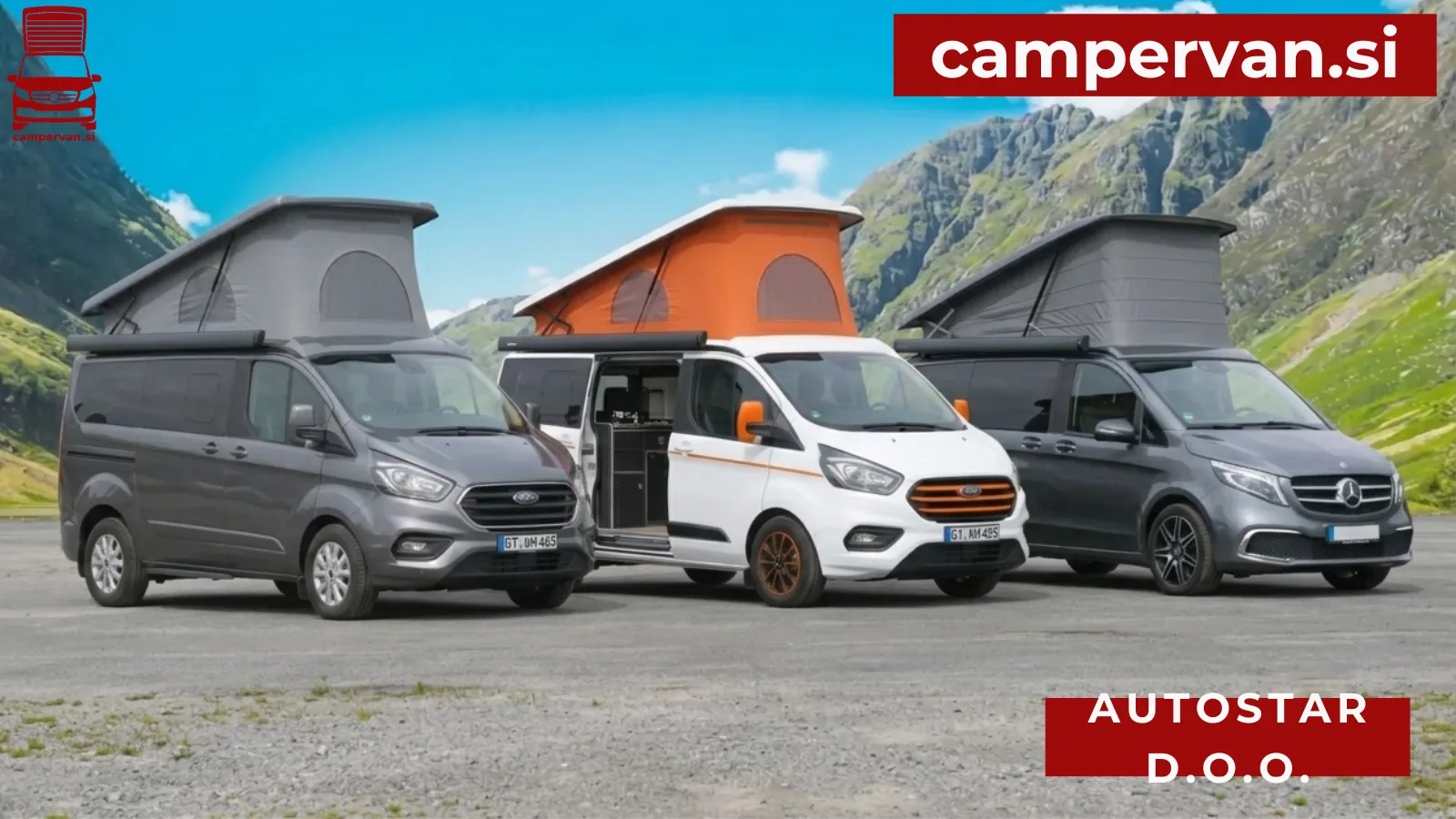
Choose a campervan for your road trip
Explore the Mercedes V Marco Polo and Ford Transit Nugget Plus campervans for a multi-day adventure around Slovenia.
Route A: The Julian Alps, Bled and Bohinj in 4 to 6 days
The mountain route takes you through some of Slovenia’s most varied landscapes, but it requires extra care on narrow roads and mountain passes. Motorhomes over three metres tall should avoid certain forest roads around Vršič, where traffic can be heavy during the summer months.
Day 1: Ljubljana to Bled (approximately 50 kilometres, 50 minutes), with a walk along the lake and a visit to the castle.
Day 2: Bled to Bohinj (25 kilometres, 30 minutes), with a boat trip and a short hike to Savica Waterfall.
Day 3: Bohinj to Kranjska Gora via Pokljuka (around 60 kilometres, 1.5 hours), stopping at mountain huts along the way.
Day 4: Explore Kranjska Gora and the surrounding area, take a rest day or visit Zelenci Nature Reserve.
Days 5–6: Return towards Ljubljana, with an optional stop in Kropa or Radovljica.
A convenient overnight option is PZA Planica, near the ski jumping hills, which offers basic facilities for motorhomes. Another good option near Bled is Šobec Campsite, which has dedicated pitches for motorhomes and caravans. Local specialities such as Carniolan sausage and Bohinj cheese are well worth trying during the journey between the two lakes.
Route B: The coast and Karst region in 3 to 5 days
This route along Slovenia’s Littoral combines the sea, salt pans and the underground landscapes of the Karst region. Coastal towns have limited space for larger vehicles, so it is worth checking parking options in advance.
Day 1: Ljubljana to Koper (110 kilometres, 1.5 hours), followed by a walk through the old town.
Day 2: Koper to Piran (20 kilometres, 30 minutes), with an evening walk along the town walls and a taste of local cuisine.
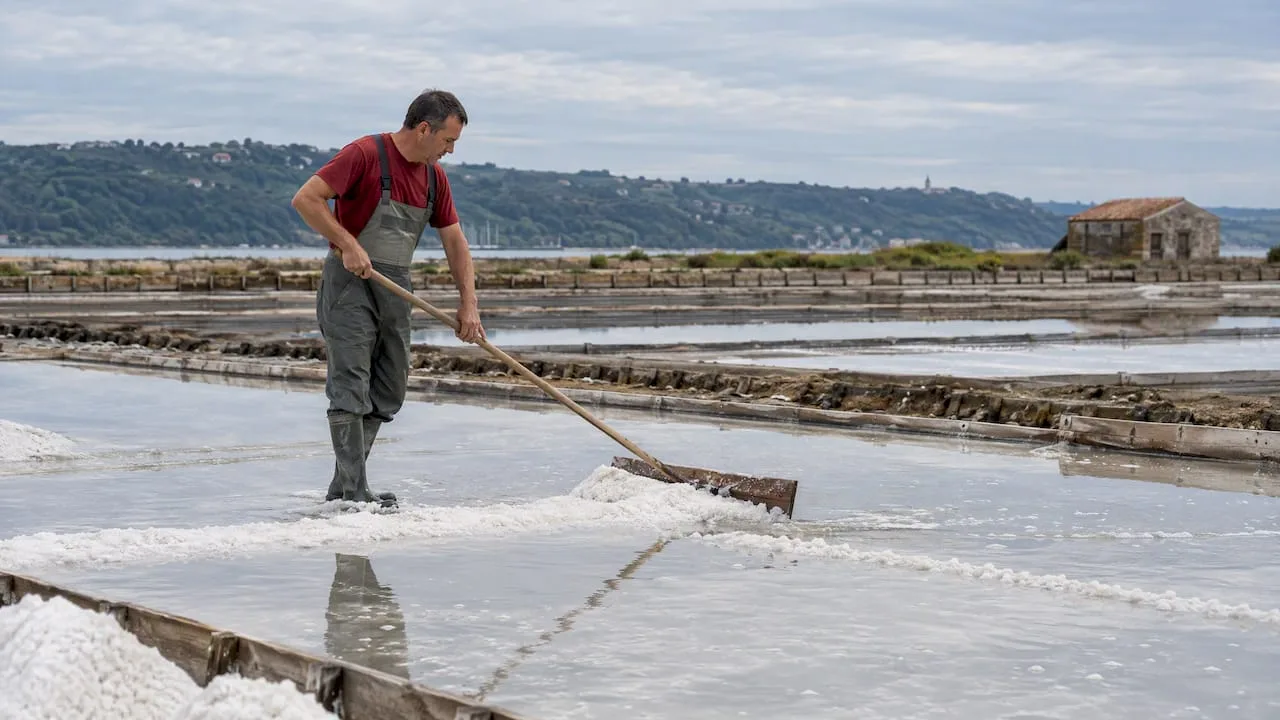
Day 3: Piran to Strunjan and Sečovlje (15 kilometres), with a visit to the salt pans and time to relax on the beach.
Days 4–5: Head towards the Škocjan Caves and the Karst hinterland, with an optional stop at a winery in the Vipava Valley.
During peak season, parking in Piran and Koper is largely restricted to car parks on the outskirts, from which the centres can be reached on foot or by local transport. A campsite just outside the town centre is therefore often a better choice, allowing you to reach the main attractions with a short drive or walk. The Karst hinterland offers quieter roads and fewer crowds, which is welcome after a few days by the sea.
Route C: Inner Carniola, Logar Valley and Rogla in 4 to 7 days
This route passes through some of Slovenia’s less crowded areas and is ideal for travellers who want to avoid the summer rush at the most popular destinations.
Day 1: Ljubljana to Postojna (55 kilometres, 50 minutes), with a visit to the cave and nearby Predjama Castle.
Day 2: Postojna to Lake Cerknica (25 kilometres), to observe the intermittent lake and the surrounding natural landscape.
Days 3–4: Travel towards Logar Valley (around 100 kilometres), where narrow roads through the valley require careful driving and an appropriate speed.
Days 5–7: Continue from Logar Valley to Rogla, stopping at the thermal springs around Zreče.
Recommended overnight stops along this route include PZA Rogla and the motorhome stopover by Lake Bukovnica, both of which offer peaceful surroundings suitable for a longer break. Some regional roads leading to Logar Valley are narrow, so reduce your speed and check your vehicle’s width before tackling steep sections.
Where to stay overnight: types of motorhome stopovers and choosing a campsite
Motorhome stopovers in Slovenia can be divided into three groups according to their facilities, which directly affects the comfort of your stay. Slovenia has a network of more than 150 designated stopovers, ranging from basic parking areas without services to fully equipped facilities with water and electricity connections.
Basic overnight parking areas without services are suitable for a short overnight stop, but do not offer facilities for emptying toilet cassettes.
Partly equipped stopovers usually provide water and an electricity connection, but may not have a wastewater disposal point.
Fully equipped motorhome stopovers provide all the essential facilities, including chemical toilet disposal and often showers.
Campsites must meet minimum standards, including access to water, electricity and a place to empty chemical toilets. Check these facilities before booking, especially at less familiar locations. The Park4Night app is useful for finding and checking stopovers, as users share experiences and photos of individual locations. Popular choices among travellers include Šobec Campsite and Big Berry Campsite, both of which have been highlighted among the country’s top-rated campsites.
Expert tip:Before setting off, check whether your chosen motorhome stopover allows multi-day stays, as some are intended for overnight stops only.
Practical tips: safety, driving, packing and sanitation
Preparation before departure determines how relaxed your trip will be in practice. AMZS recommends taking a short test trip before setting off on a longer journey. This helps you identify potential problems with the toilet cassette, heating or parking in good time.
Check your vehicle’s external dimensions before driving and enter them into your navigation app to avoid streets that are too narrow.
When packing, less is more: carrying less weight reduces fuel consumption and makes parking easier.
Empty the chemical toilet only at designated disposal points at motorhome stopovers, never in nature.
Check your brakes before long descents, as the brakes on heavier vehicles can overheat more quickly.
AMZS warns that overheating brakes, parking difficulties and vehicle-size restrictions are among the most common challenges for inexperienced motorhome drivers. It therefore recommends taking a safe-driving course before embarking on your first longer trip. When planning each day, allow for short to moderate driving times, leaving plenty of time for stops and sightseeing.
The best season for a motorhome trip
Late spring and early autumn are generally the most comfortable times to explore Slovenia by motorhome, as the roads are less busy and temperatures are pleasant for longer drives. Summer brings the most sunshine and access to all facilities at stopovers, but popular destinations such as Bled, Bohinj and the coast are also at their busiest.
July and August require early bookings at campsites and motorhome stopovers, especially near lakes and the sea, where space for larger vehicles is limited. September offers temperatures similar to June, but with fewer crowds and a more relaxed pace on the road. Mountain routes such as the road to Vršič are generally accessible from late spring to early autumn, as they are often closed in winter or require winter equipment.
For those looking for quieter conditions, early autumn is a good time to explore the Inner Carniola and eastern routes, as thermal destinations around Rogla are less crowded than in summer. Travelling by motorhome in winter is possible, but requires additional vehicle preparation and extra caution on mountain roads.
Campervan
Start your road trip in Ljubljana
Choose a campervan in Ljubljana for a trip through the Slovenian Alps, along the coast or around Inner Carniola.
Documents and permits for driving and parking a motorhome
To drive a motorhome in Slovenia, you need a valid driving licence for the appropriate vehicle category, the vehicle registration document and an insurance policy, which is arranged by the rental company when you hire a vehicle. The same principle applies to motorway e-vignettes as to other motor vehicles: a valid vignette is required to use motorways, and the applicable class depends on the vehicle’s weight and height.
Parking outside designated stopovers is generally restricted or prohibited in Slovenia, so we recommend using official motorhome stopovers and campsites instead of wild camping. In town centres such as Piran and Bled, additional restrictions may apply to larger vehicles in certain car parks, so check availability in advance. For more detailed information about where overnight stays in a motorhome are legal, see our guide to overnight stays in a motorhome in Slovenia.
Traffic signs and signposting on regional roads follow official traffic guidance, making navigation easier on unfamiliar roads, especially in mountainous areas. Before setting off, it is also worth checking whether your route includes any tunnels or toll stations with special rules for taller vehicles.
The most popular attractions along the routes
Each of the three suggested routes offers a range of attractions that make a slower driving pace worthwhile. Highlights of the mountain route include Bled Castle, with its views of the lake and island, and Lake Bohinj, where a boat trip and nearby Savica Waterfall provide some of the country’s most photographed scenery. Pokljuka and Vršič add a distinctly Alpine feel, with viewpoints accessible via short walks from parking areas.
Along the coastal and Karst route, the main highlights include Koper’s old town, Piran’s town walls overlooking the Adriatic, and the Sečovlje Salt Pans, where visitors can learn about traditional salt production. The Škocjan Caves in the Karst hinterland feature one of Europe’s most impressive underground canyons and are a popular day trip from the coast.
The Inner Carniola and eastern route includes Postojna Cave and Predjama Castle, built into a cliff above a cave system, as well as Lake Cerknica, known for its intermittent waters. Further east, the route continues to Logar Valley, one of Slovenia’s most beautiful Alpine valleys, and finishes near the thermal springs around Rogla, where you can extend your stay by another day or two.
Tips for sustainable motorhome travel
Motorhome travel can be considerably more environmentally friendly if you make a few thoughtful choices when planning your route. Choosing shorter daily distances instead of long drives reduces fuel consumption and allows you to explore each destination at a more relaxed pace.
Using designated stopovers instead of wild camping helps protect the natural environment, as motorhome stopovers and campsites have suitable facilities for disposing of wastewater and rubbish. Recycling is common at Slovenian stopovers, so it is worth bringing separate bags for packaging, glass and general waste.
Saving water while staying in nature is especially important in more remote locations, where refilling the water tank may not be possible every day. Buying local produce at markets or directly from farms along your route supports the local economy and reduces the need to drive to large shopping centres. Travelling at a slower pace, with fewer kilometres each day, not only reduces fuel consumption but also helps you connect more deeply with the places you visit.
Why we recommend road trips designed by locals
Our suggested routes are based on first-hand knowledge of Slovenian roads, motorhome stopovers and seasonal conditions, rather than generic lists of attractions. When planning a trip, we always recommend adapting the route to your vehicle’s dimensions and the driver’s experience, as these are often the factors behind unexpected challenges.
— Rok
Rent a campervan for your road trip
All three routes are suitable for campervans equipped with facilities such as a kitchen, fixed sleeping arrangements for several people and basic insurance. Pick-up is available in Ljubljana, making it a convenient starting point for all three routes. 24-hour roadside assistance is also available throughout your trip.
To check availability and learn more about the equipment, visit Campervan and choose the vehicle that best suits your road trip.
Frequently asked questions
How many days do I need for a campervan road trip around Slovenia?
Three to five days are enough to explore one region, such as the Julian Alps or the coast. For a more thorough visit, we recommend allowing six to seven days. It is best to adjust the duration to the number of stops and the driving pace that suits your travelling group.
Can I stay overnight anywhere in nature in a motorhome?
Wild camping is restricted or prohibited in most cases in Slovenia, so we recommend using designated motorhome stopovers and campsites. These provide suitable facilities for water, electricity and waste disposal.
Which app is best for finding motorhome stopovers?
Park4Night is one of the most widely used apps among travellers for finding and reviewing stopovers, as users share photos and experiences. We recommend using it alongside official motorhome stopover maps to check which facilities are available.
How much does it cost to rent a campervan from Campervan.si?
Daily rental of the Mercedes V Marco Polo and Ford Nugget Plus starts at €125 per night. For weekly rentals, the rate drops to €110 per night. Final cleaning costs an additional €80 per rental.
What are the basic requirements for camping in Slovenia?
According to SPOT guidelines, campsites and stopovers must provide basic facilities, including access to water and electricity and a place to empty chemical toilets. Before booking at a lesser-known location, it is worth checking that these requirements are actually met.
Sources
These recommendations draw on our experience organising campervan rentals and our detailed database of more than 150 stopovers across Slovenia, which we regularly update for our customers. This overview helps travellers find a place to stay that suits their vehicle’s dimensions and their preference for a quieter or more sociable location.
 The Inner Carniola and eastern route includes Postojna Cave and Predjama Castle, built into a cliff above a cave system, as well as Lake Cerknica, known for its intermittent waters. Further east, the route continues to Logar Valley, one of Slovenia’s most beautiful Alpine valleys, and finishes near the thermal springs around Rogla, where you can extend your stay by another day or two.