20% off rentals until the end of March 2027 with code SNOW20•20% off rentals until the end of March 2027 with code SNOW20•20% off rentals until the end of March 2027 with code SNOW20•20% off rentals until the end of March 2027 with code SNOW20•
20% off rentals until the end of March 2027 with code SNOW20•20% off rentals until the end of March 2027 with code SNOW20•20% off rentals until the end of March 2027 with code SNOW20•20% off rentals until the end of March 2027 with code SNOW20•
Electricity in a Campervan: how it works and how to achieve self-sufficiency
October 22, 2026
“`html
Yes. With the right combination of LFP batteries, solar panels and charging sources, a campervan can achieve a high degree of energy self-sufficiency. The key components are a leisure battery, an MPPT controller and reliable charging via the alternator, a 230 V mains connection or solar power, all protected by appropriately rated fuses. Installation must also comply with applicable Slovenian technical guidelines and be carried out professionally, as an incorrectly installed system can quickly become a safety hazard.
In brief:
Keep the starter battery separate from the leisure battery using a relay, isolator or DC-DC charger, so that power consumption in the living area cannot drain the battery needed to start the engine.
Use a DC-DC charger with an appropriate charging profile for an LFP battery. Do not charge its cells below 0°C, as this can damage them.
Two 100 W panels are often sufficient for a small campervan. A family or a campervan with a compressor fridge will generally need at least 400 W of solar panels and around 210 Ah of battery capacity.
Leave 230 V wiring, residual-current protection and connections between the battery and inverter to a qualified professional who follows the applicable Slovenian technical guidelines.
Campervan
Understand Your Campervan’s Electrical System
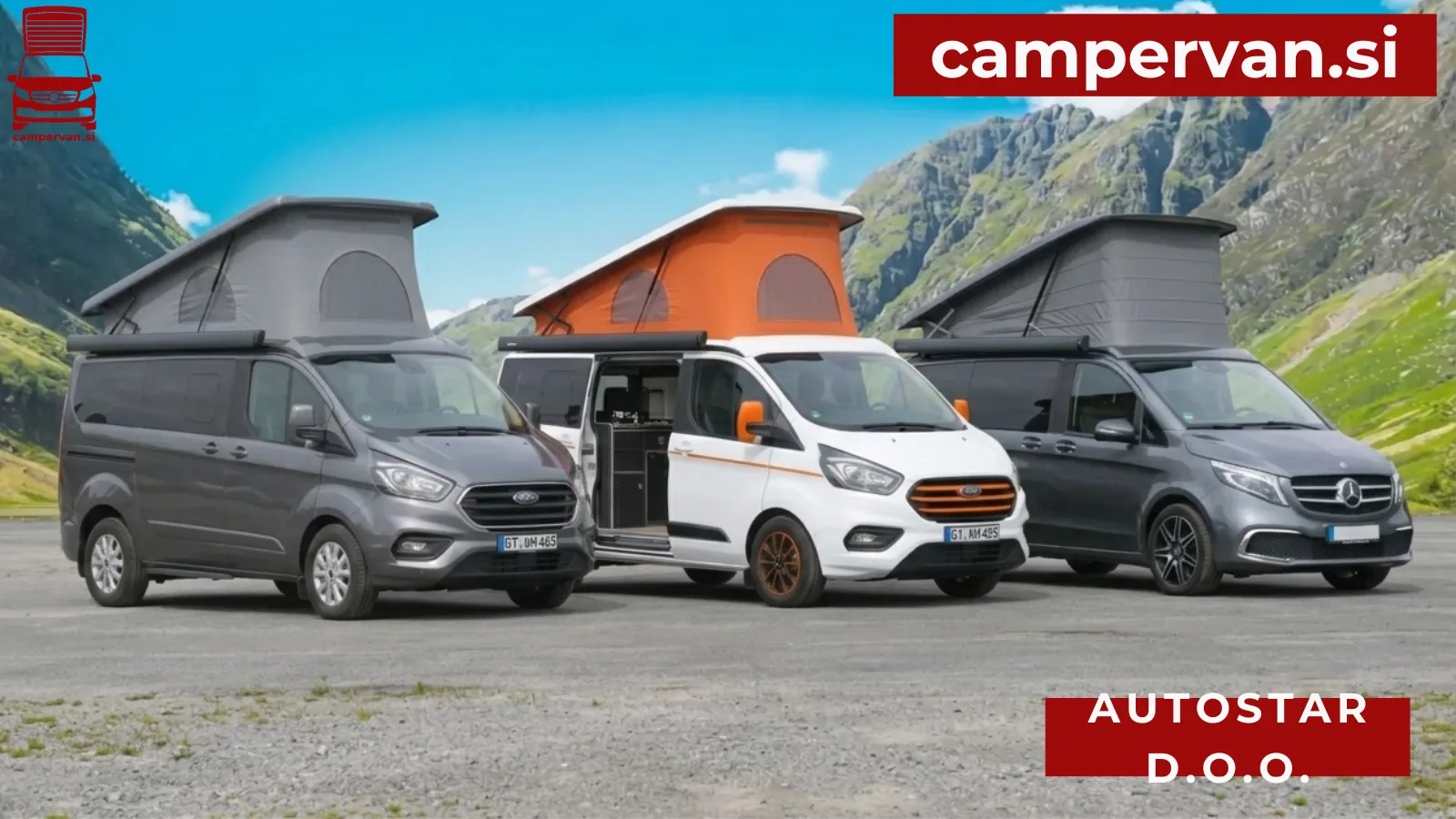
When renting from Campervan, you can choose between the Mercedes V Marco Polo and Ford Transit Nugget Plus.
Basic architecture of a campervan electrical system
A campervan effectively has two separate electrical systems that must work together without becoming one and the same. The starter battery is dedicated to starting the engine, while the leisure battery powers the lights, fridge, water pump and sockets in the living area. A separation device sits between them, whether a relay, isolator or DC-DC charger, ensuring that power consumption in the living area never drains the starter battery to the point where you cannot start the vehicle in the morning.
An inverter or combi unit (inverter/charger) converts the battery’s 12 V DC power into 230 V AC for household-style sockets. It can also charge the battery when the vehicle is connected to mains power. Incorrect wiring between the two systems, such as omitting a battery-separating relay where one is required, can cause both batteries to discharge together or overload the starter battery during charging.
The basic monitoring and control components found in most campervans include:
A battery monitor showing battery status, either as voltage or a percentage of capacity.
A master switch for completely shutting down the leisure electrical system.
Fuses on all key electrical circuits.
An indicator showing mains connection or solar charging status.
Batteries: AGM, GEL or LiFePO4, and how to calculate capacity
Three battery types are commonly used in campervans today, each with its own advantages. AGM batteries are relatively affordable and reliable, but tolerate fewer deep discharge cycles. GEL batteries are more resistant to vibration and heat, but accept charge more slowly. LiFePO4 batteries, often abbreviated to LFP, provide substantially more usable capacity for the same rated capacity because they can be discharged more deeply without damaging the cells, provided they are operated within the manufacturer’s limits.
Victron’s documentation for LiFePO4 batteries lists capacities ranging from 100 to 300 Ah at 12.8 V, with an integrated battery management system (BMS) that protects the cells against overvoltage and undervoltage.
When choosing a battery, consider the price per amp-hour, weight (LFP batteries are lighter at the same capacity), expected service life and performance at low temperatures. LFP cells require particular care when charging below freezing.
Charging methods: alternator, DC-DC, 230 V hook-up and generator
A campervan can be charged in several ways, each with different charging speeds and suitability depending on the battery type.
Charging from the vehicle’s alternator replenishes the leisure battery while driving. With LFP batteries, however, a DC-DC charger is recommended to regulate the voltage and protect the cells from unsuitable charging conditions.
A DC-DC charger is a separate device installed between the starter and leisure battery systems. It provides stable, controlled charging regardless of engine speed.
A 230 V campsite hook-up activates the built-in inverter/charger. It is important to select the correct charging profile for your battery type because AGM and LFP batteries require different charging curves.
A generator can be useful as a backup, but many campsites in Slovenia and abroad restrict noise levels and operating hours. Check the campsite rules before using one.
Expert tip:Before any longer trip, check that the inverter/charger is configured for your battery type. An incorrect setting can shorten the cells’ service life.
Victron’s manual for campervan electrical systems describes a typical configuration with a MultiPlus inverter, an Orion DC-DC charger and a SmartSolar MPPT controller. Together, these components allow charging from multiple sources.
Solar power on the roof: panels, MPPT and sizing basics
Roof space is limited on a campervan, so panel selection has a significant effect on how much energy you can generate. Monocrystalline panels are more efficient per unit of surface area than polycrystalline panels, which matters when roof space is limited, as explained by AMZS in its advice on energy self-sufficiency.
For a small campervan, two 100 W panels are often sufficient when paired with an appropriately sized leisure battery. For a family of four or a campervan with a compressor fridge, at least 400 W of solar panels and around 210 Ah of battery capacity are recommended, according to the same AMZS source.
When choosing solar panels, consider the following:
Monocrystalline panels cost more but generate more energy per square metre.
Foldable and flexible panels are convenient, but tend to be more vulnerable to damage and may have a shorter service life.
An MPPT controller converts excess panel voltage into usable charging current and is more efficient than older PWM controllers.
The MPPT controller’s rating must match the total panel output and the battery system voltage.
Power consumption and autonomy: calculating how many days you can go without charging
To estimate autonomy, convert the power consumption of each device (W) into current draw (A) by dividing its power by the system voltage. Then add up the daily consumption of all devices based on their operating hours.
A compressor fridge uses considerably less energy than a 230 V air conditioner, as demonstrated by an AMZS test of one campervan model. Choosing the right cooling system is therefore important for long-term autonomy.
LED lighting, the water pump and phone charging generally account for a relatively small share of daily consumption compared with the fridge.
Allow for inverter losses, typically a few per cent, and the recommended usable depth of discharge for your particular battery type.
Prioritise your power consumers: switch off unnecessary devices as you approach the recommended discharge limit.
Campervan
Start Your Campervan Journey
Explore Campervan rental options and choose a model for discovering Slovenia.
Electrical wiring in a campervan is not a place for improvisation. It combines 12 V and 230 V systems in a confined space that is constantly in motion. In Slovenia, the TSG-N technical guidelines for low-voltage electrical installations set out requirements for the safe design, installation and maintenance of electrical systems, including protection against fire and electric shock.
Several tasks are best left to a qualified professional:
Connections and wiring for the 230 V system.
Residual-current device (RCD) protection and its periodic inspection.
Fixed wiring between the battery, inverter and distribution board.
Installing or replacing the BMS for lithium batteries.
If you experience alternator problems, incorrect charging or faults on the control panel, consult a specialist auto electrician. They have diagnostic equipment that a general mechanic may not have, as highlighted by service-provider information such as this overview of auto-electrical services.
Renter checklist before pick-up and during the trip
Before setting off, take a few minutes to check the system:
Check the battery status on the monitor and confirm that its charge is sufficient for your planned journey.
Visually inspect the cables and plugs, especially the 230 V connection.
The author’s perspective: why professional installation beats improvisation
Most campervan electrical problems do not stem from poor-quality components, but from careless modifications, such as connecting a battery and solar panel without proper isolation or protection. A well-designed system with the right combination of battery, controller and protective devices can work reliably for years. A poorly installed system may fail at the worst possible moment.
That is why regular maintenance and professional installation are not merely expenses; they are an investment in safety and peace of mind. If you would rather not deal with upgrades, renting a vehicle with a tested, ready-to-use system is also worth considering.
— Rok
Rent instead of upgrading: a ready-to-go campervan without the hassle
If the technical details of campervan electrics put you off upgrading your own vehicle, you can rent one with an installed electrical system, tested batteries and support. That way, you can focus on the journey rather than the voltmeter.
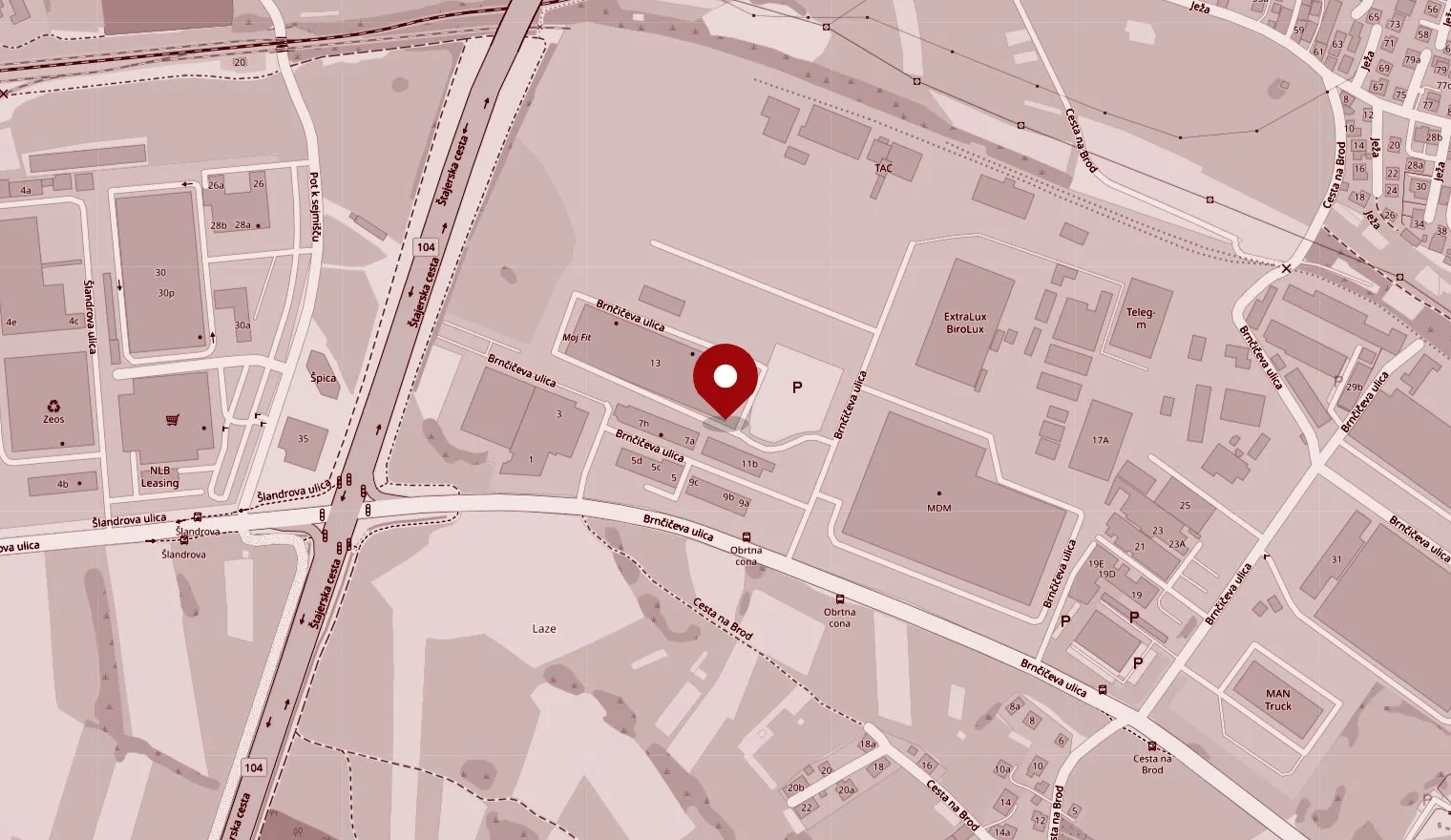
Our fleet includes the Mercedes V Marco Polo and the Ford Nugget Plus, both with installed and tested electrical systems. At pick-up in Ljubljana, our team will show you how the system works, so you know how to charge the battery and use the electrical appliances before setting off. Check the equipment and availability before booking on our website.
Frequently asked questions
Can a campervan run completely without a mains connection?
With the right combination of an LFP battery, solar panels and a DC-DC charger, a campervan can operate for several days without a 230 V connection, depending on power consumption and weather conditions. A compressor fridge and LED lighting use significantly less energy than an air conditioner, extending autonomy.
What is the difference between AGM, GEL and LiFePO4 batteries?
AGM and GEL batteries are less expensive, but they tolerate less deep discharge before their service life starts to suffer. LiFePO4 batteries cost more, but support deeper discharge and offer a longer service life, making them increasingly common in modern installations.
How many solar panels do I need for a campervan?
For a small campervan with basic power requirements, two 100 W panels are often sufficient. For a family or a campervan with a compressor fridge, at least 400 W of solar panels and around 210 Ah of battery capacity are recommended. Actual output also depends on panel cleanliness and weather conditions.
Can I modify my campervan’s electrical wiring myself?
It is advisable to leave 230 V connections, residual-current protection and fixed electrical wiring to a qualified professional, as the installation must comply with Slovenian technical guidelines for low-voltage systems. In a rental campervan, the system is generally professionally installed and checked before each handover.
How can I check whether the battery is charging correctly while driving?
Check the battery monitor shortly after starting the engine and again while driving. If the alternator is charging correctly, the battery voltage should generally rise. If you suspect a fault, consult an auto electrician with the diagnostic equipment needed to investigate the issue.


 Our fleet includes the Mercedes V Marco Polo and the Ford Nugget Plus, both with installed and tested electrical systems. At pick-up in Ljubljana, our team will show you how the system works, so you know how to charge the battery and use the electrical appliances before setting off. Check the equipment and availability before booking on our website.