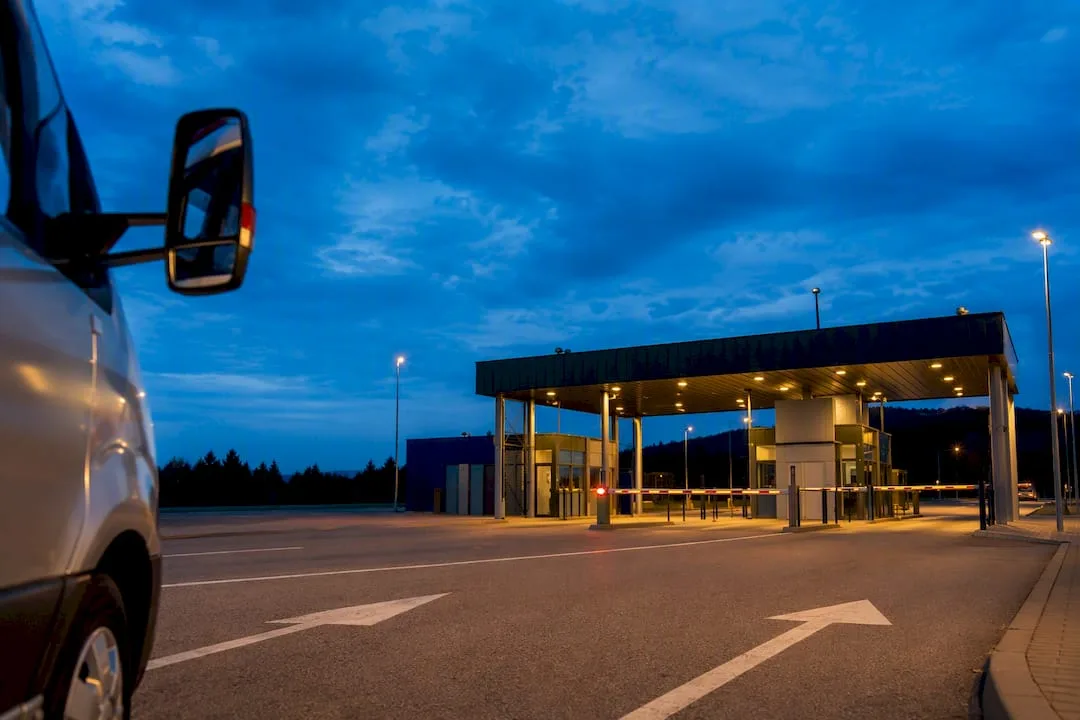
Yes, you can cross borders with a campervan in Slovenia without major complications. Since 1 January 2023, when Croatia joined the Schengen Area, there have been no systematic border checks at land borders with neighbouring EU countries. Nevertheless, you should have all required documents and insurance in order and be aware of your campervan’s weight, width and seat-belt requirements, as police may still carry out random checks within the Schengen Area.
In brief:
- When crossing borders with a campervan, check restrictions relating to vehicle weight, width and the opening hours of individual border crossings.
- Random police checks can still take place within the Schengen Area, so carry all required documents, insurance and permits.
- For campervans over 3,500 kg, a C1 driving licence or higher is generally required, together with the appropriate insurance documentation, especially when travelling outside the Schengen Area.
- Before departure, we recommend a short test drive, preparing all documents and checking the vehicle’s dimensions. This can significantly reduce the risk of problems at the border or on the road.
- A smooth border crossing also depends on properly preparing the vehicle, checking its dimensions, insurance and permits, and keeping relevant documentation readily available in case of questions or disputes.
Campervan
Start your campervan trip without complications
A campervan from Ljubljana gives you the freedom to travel around Slovenia, Europe and beyond.
Explore Campervan
Table of Contents
List of Border Crossings for Campervans and Their Types
Border crossings are divided into international and local border crossings, which affects which vehicles are permitted to use them. International crossings are generally open to all types of traffic, including commercial vehicles and campervans above certain weight limits, while smaller local crossings may be restricted to passenger vehicles or have limited opening hours.
Since Croatia is now part of the Schengen Area, the distinction between the two types of crossing is less noticeable during everyday travel than it was before 2023, as systematic border checks are no longer carried out. However, the distinction remains important when travelling towards countries outside the Schengen Area, such as Serbia or Bosnia and Herzegovina, where some smaller border crossings may not allow larger vehicles.
Before setting off, check the following:
- Whether the crossing is officially classified as an international or local border crossing.
- Whether there are restrictions relating to the maximum permitted vehicle weight or width.
- The opening hours of the crossing, as some local crossings are open only during the day.
- Whether the crossing allows commercial vehicles and campervans over 3,500 kg.
Official information about border-crossing classifications and possible restrictions can be found in the
Slovenian Police list of border crossings, which also includes notes about traffic restrictions for individual crossings. For general reference, you can also consult the
Wikipedia list of Slovenian border crossings, although this should be treated as a reference tool rather than an official source.
What Border Control Checks in a Campervan
Although systematic checks at the border with Croatia have been removed, police may still carry out random checks, so it is worth knowing what you may be asked to provide.
- Personal identification. A valid passport or national identity card for everyone travelling in the vehicle.
- The appropriate driving licence category. For campervans over 3,500 kg, you generally need a C1 category licence or higher rather than a standard category B licence.
- Proof of ownership or authorisation to use the vehicle. If you are renting a campervan, the rental agreement can demonstrate that you are authorised to drive a vehicle registered to someone else.
- Insurance documentation. A Green Card or other proof of insurance may be required or advisable, particularly when travelling outside the Schengen Area.
- Customs declarations. When carrying expensive equipment, large amounts of cycling equipment or diving gear, customs authorities may ask questions about the purpose of the goods being transported.
The Schengen Information System (SIS) allows authorities to check whether a vehicle has been reported as stolen or is otherwise wanted. This is why a rental agreement is an important document when travelling with a rented campervan: it clearly establishes your right to use the vehicle and can help resolve questions about ownership.
Rules That Specifically Apply to Campervans at the Border
Because of their size and weight, campervans have several practical and legal considerations that are particularly important when travelling between countries.
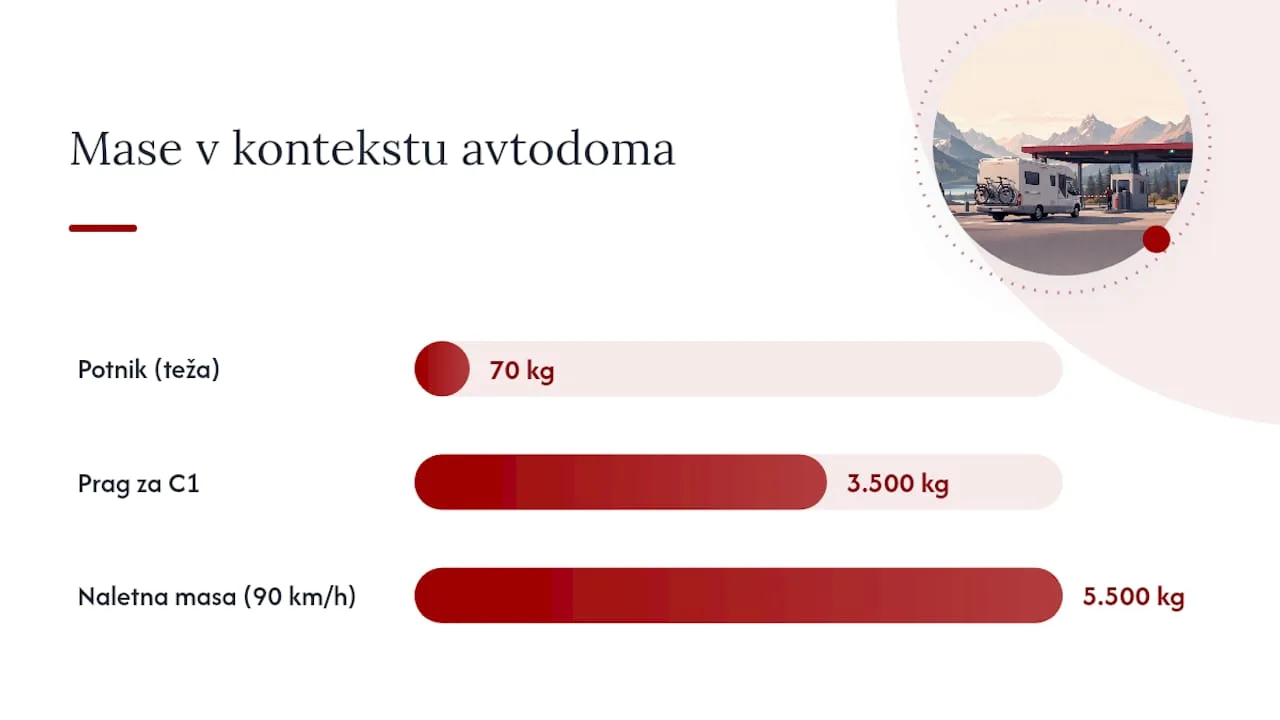
- For vehicles with a maximum authorised mass above 3,500 kg, a C1 driving licence or higher is generally required; a standard category B licence is not sufficient.
- Seat belts must be worn by all passengers while the vehicle is moving, including passengers travelling in rear seating areas.
- Camping and overnight stays outside designated campsites or authorised campervan parking areas may be prohibited or restricted by local regulations in Slovenia and many neighbouring countries.
- Some smaller border crossings have limited opening hours or restrictions for vehicles above a certain weight.
A statistic worth knowing: At a speed of 90 km/h, the force involved in a collision involving a 70 kg passenger can be equivalent to several tonnes. This illustrates why wearing a seat belt in a campervan, where beds and living areas can feel more like a home than a car interior, is just as important as it is in the front seats.
Slovenian road legislation distinguishes between parking and camping, so check local
campervan parking areas in Slovenia before deciding to spend the night in a public area.
How to Prepare for Crossing a Border with a Campervan
Preparation takes less than an hour in most cases, but it can save you hours of waiting or stress on the road.
- Check your documents: personal identification, the appropriate driving licence, European Health Insurance Card and rental agreement.
- Arrange suitable insurance and roadside assistance, preferably with 24-hour telephone support in case of a breakdown abroad.
- Buy any required vignettes or pay road tolls for the countries on your route. Toll systems differ between Slovenia, Croatia and Austria.
- Carry out a basic vehicle check: tyres, lights, secured luggage and locked interior cupboards.
- Write down the vehicle’s dimensions and weight and keep them somewhere visible in the cab. This is particularly useful when approaching low-clearance structures, tunnels and ferries.
- Take a short test drive before a longer journey, especially if you have never driven a campervan before.
Expert tip: Take photos of the rental agreement and the vehicle’s service documentation and store them on your phone. If questions arise with the police or customs authorities, you can access the documents within seconds instead of having to contact the rental company first.
The Slovenian Traffic Safety Agency (AVP) emphasises that driving a campervan requires more awareness than driving a passenger car, mainly because of its dimensions, weight and longer braking distance. If you are planning your first long campervan journey, take the time to
plan realistic daily driving distances, rather than focusing only on your travel documents.
What to Do in Case of Seizure, Theft or Breakdown at the Border
It is uncommon, but it can happen: the police may stop a vehicle at the border because of a record in an information system or questions concerning ownership.
- If the vehicle is detained because of suspected theft, immediately provide the rental agreement and the rental company’s contact details so the authorities can verify ownership and your right to use the vehicle.
- Remain calm and cooperate with the police. With rental vehicles, such checks are often administrative and can be resolved once the relevant documents are verified.
- If your campervan breaks down near a border, prioritise safety: move the vehicle to a safe location, place the warning triangle where required and put on a high-visibility vest.
- Contact the roadside assistance service provided through your insurance or rental company and document the incident with photographs.
- If you do not speak the local language and the procedure becomes complicated, request an interpreter or contact your country’s consulate.
Reports about
stolen campervans being seized at borders illustrate why authorities may carry out checks against vehicle databases. Clear documentation can help establish the situation quickly.
Campervan.si Practical Tips for Crossing Borders with a Campervan
When renting a campervan in Ljubljana, we recommend that every renter writes down the vehicle’s exact
dimensions — height, width and length — and keeps them somewhere visible in the cab. This is useful even for experienced drivers, as dimensions can vary considerably between campervan models.
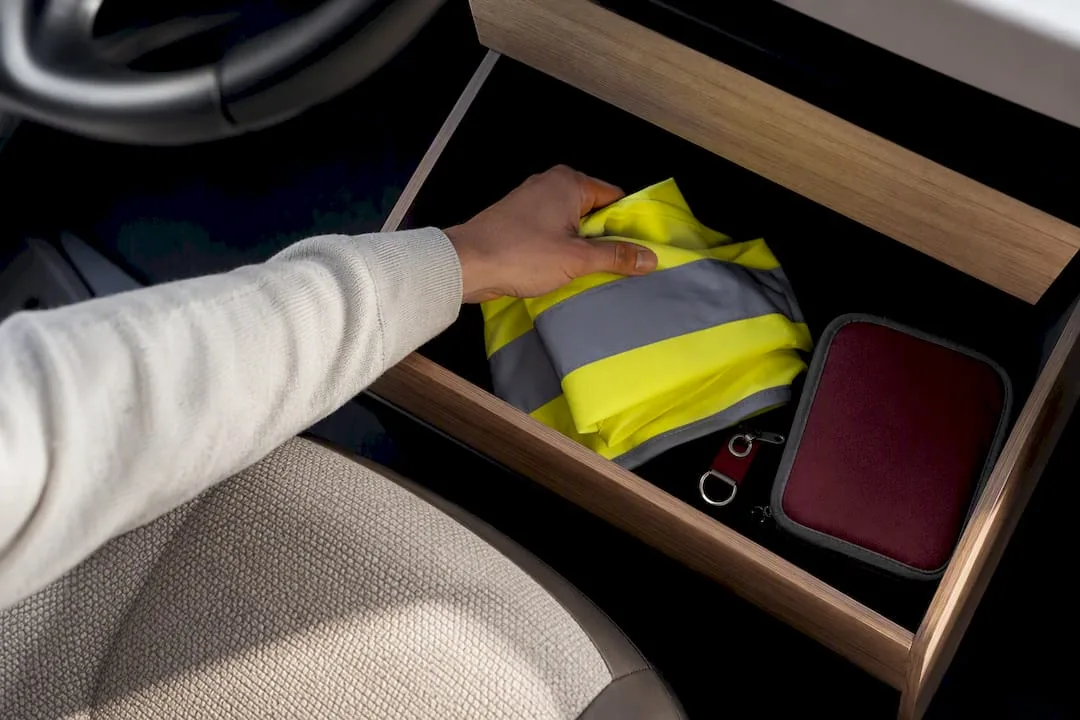
We also recommend taking a short test drive through city streets before heading onto the motorway and arranging roadside assistance that covers emergencies during your journey. A basic set of documents and safety equipment that can reduce the risk of problems includes a copy of the rental agreement, the roadside assistance telephone number and a high-visibility vest kept in the cab rather than in the luggage compartment.
What Is Most Often Overlooked in Advice About Campervan Border Crossings
Most guides about crossing borders with a campervan stop at the statement that “there are no more checks since Croatia joined the Schengen Area”. While this is broadly true for routine border controls, it is only part of the story. The bigger challenge is that many people underestimate how different driving a campervan is from driving a passenger car, and this can cause problems before they even reach the border.
Conventional advice focuses too heavily on documents and not enough on physically preparing the vehicle and driver. Having the vehicle’s dimensions written down in the cab, taking a test drive through town and checking that luggage is properly secured are the details that can actually prevent problems — not simply carrying another copy of your insurance documents.
If I had to give a traveller one priority, it would be this: take a test drive before you even set off towards the border. Documents can be prepared in the office; the skills and reflexes needed to drive a campervan are learned on the road.
— Rok
Sources
For the latest information about border crossings and travel requirements, check the
Government of Slovenia information on the Schengen border, AVP guidance on safe campervan driving and the official list of Slovenian border crossings published by the Slovenian Police.
Recommended